Can Intestine Well being Have an effect on Sleep? What the Science Really Exhibits
If somebody informed you that crucial organ for sleep wasn’t your mind however your intestines, you’d in all probability assume they had been unsuitable. Sleep occurs within the mind. Sleep is regulated by the mind. The mind makes melatonin. The mind drives the circadian clock. Finish of story.
Besides it’s not. During the last decade, analysis has systematically dismantled the concept sleep is a brain-only phenomenon. Your intestine produces 90–95 p.c of the physique’s serotonin — the precursor to melatonin. It communicates immediately with the mind via the vagus nerve. It homes trillions of micro organism that produce and modulate neurotransmitters together with GABA, dopamine, and serotonin. And it drives inflammatory alerts that the mind makes use of to control sleep structure.
The gut-brain axis isn’t a fringe concept. It’s established science — printed in Nature, Mind Drugs, and the Journal of Medical Sleep Drugs. And for folks with continual insomnia that hasn’t responded to plain approaches, the intestine is more and more the place the reply lives.
This text is the foundational piece for all the pieces else on this web site. Each situation we cowl — from H. pylori to parasites to circadian disruption to nervous system dysregulation — connects again to the intestine. Understanding these 5 pathways offers you the framework for understanding why your particular sleep drawback exists and what to do about it.
How the Intestine Controls Sleep: 5 Pathways
1. Serotonin and Melatonin Manufacturing
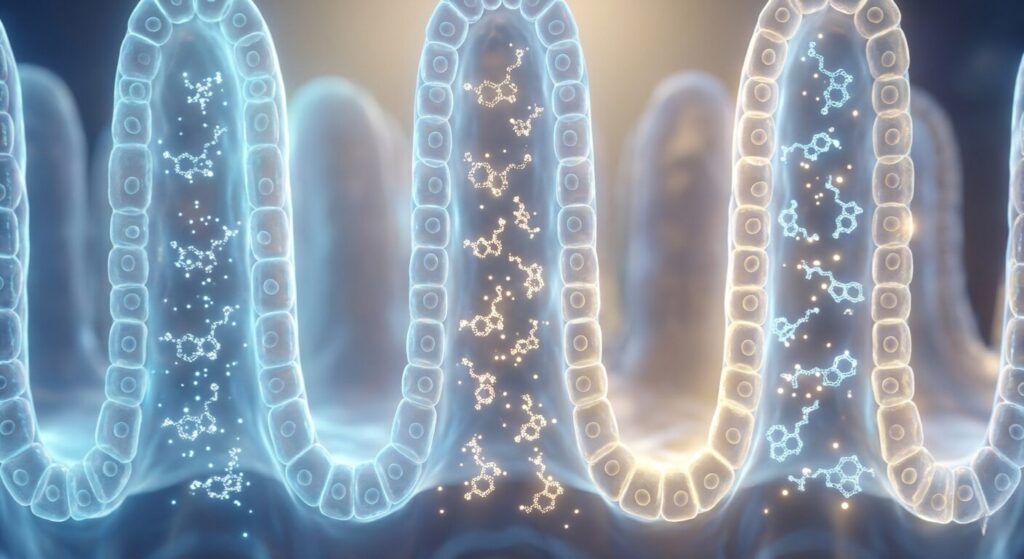
Melatonin — the hormone that initiates and maintains sleep — is synthesised from serotonin. And 90–95 p.c of serotonin is produced within the intestine by enterochromaffin cells within the intestinal lining. When the intestine is wholesome, serotonin manufacturing is powerful and melatonin ranges are enough. When the intestine is infected, contaminated, or dysbiotic, serotonin output drops — and melatonin manufacturing drops with it. H. pylori damages enterochromaffin cells immediately. Parasites create irritation that impairs their perform. SIBO alters the intestine setting in ways in which disrupt serotonin metabolism. Every of those intestine situations can produce a melatonin deficit that manifests as insomnia — with none digestive symptom the individual would affiliate with a intestine drawback.
This is likely one of the most counterintuitive points of gut-driven insomnia: the intestine drawback doesn’t at all times produce intestine signs. Many individuals with H. pylori don’t have any abdomen ache, no nausea, no heartburn. They only can’t sleep. The an infection silently erodes serotonin manufacturing with out saying itself via the digestive system. Because of this intestine testing is important even when — particularly when — the one symptom is insomnia that received’t reply to plain therapy.
2. The Vagus Nerve: The Intestine-Mind Phone Line

The vagus nerve runs from the brainstem to the intestine, carrying alerts in each instructions. About 80 p.c of vagal fibres are afferent — which means they carry data from the intestine to the mind, not the opposite approach round. The mind is actually listening to the intestine greater than it’s speaking to it. When the intestine is infected, contaminated, or distressed, the vagus nerve transmits alarm alerts that activate the mind’s stress response. This elevates cortisol, suppresses parasympathetic perform, and shifts the nervous system towards sympathetic dominance — the precise reverse of what sleep requires. Continual intestine misery means continual vagal alarm, which implies continual sleep disruption. If you need to see how we’d have the opportunity that can assist you with this deeper, schedule a free seek the advice of right here.
3. Microbial Neurotransmitter Manufacturing

Intestine micro organism don’t simply passively occupy area. They actively produce neurotransmitters: Lactobacillus and Bifidobacterium species produce GABA (the first sleep-promoting neurotransmitter). Numerous species produce dopamine, serotonin, and their precursors. Intestine bacterial metabolites from tryptophan and phenylalanine have been proven to induce melatonin synthesis and lengthen sleep length in animal research. When the microbiome is disrupted — by antibiotics, infections, poor weight loss program, or stress — this neurotransmitter manufacturing adjustments, with direct downstream results on sleep.
4. Inflammatory Cytokine Signalling
Intestine infections and dysbiosis drive manufacturing of pro-inflammatory cytokines (IL-1, IL-6, TNF-α) that cross the blood-brain barrier and immediately alter hypothalamic sleep regulation. These cytokines particularly scale back deep sleep (N3) whereas leaving lighter phases comparatively intact — producing the “I slept 8 hours and really feel like I received 3” expertise that defines poor sleep high quality. The inflammatory signalling peaks throughout early sleep hours (following the immune system’s personal circadian rhythm), making gut-driven irritation significantly harmful to sleep structure.
5. Nutrient Absorption
The intestine absorbs each nutrient the physique makes use of for sleep chemistry: magnesium (GABA perform), iron (dopamine synthesis), B6 (serotonin conversion), zinc (melatonin manufacturing), B12 (neurological perform). When intestine infections harm the intestinal lining or alter acid manufacturing, absorption of those vitamins declines. The deficiencies don’t seem in a single day — they accumulate slowly over months, progressively eroding the physique’s means to supply the neurochemistry sleep will depend on.
What the Analysis Exhibits
Microbiome and sleep high quality: A 2019 PLoS ONE examine discovered intestine microbiome variety positively correlated with sleep effectivity and whole sleep time in a big cohort. A 2026 Nature Communications examine of 6,941 contributors confirmed associations between particular bacterial species and sleep traits.
Bacterial molecules within the mind: A 2025 Washington State College examine discovered bacterial peptidoglycan — a molecule from bacterial cell partitions — naturally current within the mind, fluctuating with sleep patterns. This challenges the view that sleep is solely brain-driven and suggests it’s partly a microbial course of.
Intestine-brain axis evaluate: A 2025 Mind Drugs evaluate established the microbiota-gut-brain axis as a essential pathway in sleep regulation, documenting constant patterns of microbial dysbiosis in people with continual insomnia.
Probiotics and sleep: Medical trials present that focused probiotic supplementation (significantly Lactobacillus and Bifidobacterium strains) can enhance sleep high quality metrics, supporting the precept that modulating intestine micro organism immediately impacts sleep.
Frequent Intestine Circumstances That Disrupt Sleep

-
H. pylori — damages serotonin-producing cells, alters acid dynamics inflicting nocturnal reflux, depletes iron/B12/B6, drives HPA axis activation
-
Intestinal parasites — set off nocturnal immune activation, deplete vitamins, disrupt microbiome variety
-
SIBO (Small Intestinal Bacterial Overgrowth) — produces extra fuel and bloating, disrupts tryptophan metabolism, creates systemic irritation
-
Dysbiosis — diminished microbial variety impairs neurotransmitter manufacturing and will increase inflammatory signalling
-
Intestinal permeability (“leaky intestine”) — permits inflammatory molecules into the bloodstream, triggering systemic immune activation that disrupts sleep
The widespread thread: every situation impairs the intestine’s means to assist sleep via a number of of the 5 pathways described above. And since most of those situations don’t produce dramatic digestive signs within the early phases, the gut-sleep connection typically goes unrecognised till insomnia has been current for months or years.
The progressive nature of this depletion explains why gut-driven insomnia tends to worsen over time quite than staying steady. Within the early months, the physique compensates with reserves. Step by step, these reserves are exhausted. What began as barely lighter sleep turns into persistent night time waking, then unrefreshing sleep, then continual insomnia that resists each intervention — as a result of the interventions are concentrating on the signs whereas the intestine continues draining the assets these signs rely upon.
Examine
-
Complete stool panel utilizing PCR know-how — identifies infections, parasites, dysbiosis, and irritation that commonplace assessments miss
-
H. pylori-specific testing — urea breath check or stool antigen
-
SIBO breath check if bloating, fuel, and belly distension are current
Deal with Recognized Infections
-
H. pylori eradication (typical or integrative protocol) with follow-up affirmation
-
Parasite therapy underneath practitioner steerage
-
SIBO protocol concentrating on the precise sort (hydrogen vs. methane dominant)
Rebuild the Microbiome
-
Various dietary fibre from entire meals — feeds useful micro organism
-
Fermented meals (sauerkraut, kimchi, kefir) — introduce useful strains
-
Focused probiotics (Lactobacillus, Bifidobacterium) — supported by medical proof for sleep enchancment
Replenish Depleted Vitamins
-
Take a look at and complement: ferritin, B12, RBC magnesium, zinc, B6, vitamin D
-
Tackle absorption: treating intestine infections and restoring abdomen acid improves nutrient uptake
This text is instructional. Intestine-driven insomnia advantages considerably from skilled investigation and guided therapy.
In case you’ve been informed your intestine is “high-quality” primarily based on a regular check-up, that doesn’t rule out the situations described above. Primary digestive screening wasn’t designed to detect H. pylori, parasites, or microbiome disruption. PCR-based stool testing and focused breath testing are what reveal the intestine situations that drive continual insomnia.
When to Search Skilled Assist
Search assist if:
-
Insomnia coexists with any digestive signs — even gentle bloating, fuel, or irregular bowels
-
Customary sleep interventions haven’t labored
-
You may have unexplained nutrient deficiencies on bloodwork
-
Sleep issues appeared after meals poisoning, journey, or antibiotics
-
Fatigue is disproportionate to sleep deficit
If you need to see how we’d have the opportunity that can assist you with this deeper, schedule a free seek the advice of right here.
Often Requested Questions
Can intestine well being have an effect on sleep?
Sure. The intestine produces 90–95% of serotonin (melatonin’s precursor), communicates with the mind by way of the vagus nerve, homes micro organism that produce sleep-regulating neurotransmitters, drives inflammatory alerts that alter sleep structure, and absorbs each nutrient sleep chemistry will depend on.
Can intestine micro organism trigger insomnia?
Sure. Disrupted intestine microbiome (dysbiosis) reduces manufacturing of GABA, serotonin, and dopamine, will increase inflammatory signalling, and impairs the vagal communication that sleep regulation will depend on. A 2025 examine discovered bacterial molecules within the mind that fluctuate with sleep cycles.
Does fixing intestine well being enhance sleep?
In lots of circumstances, sure. Medical trials present focused probiotics enhance sleep metrics. Extra importantly, treating intestine infections (H. pylori, parasites, SIBO) and restoring nutrient absorption typically produces vital sleep enchancment by addressing the basis trigger quite than masking signs.
Can H. pylori trigger insomnia?
Sure. H. pylori damages serotonin-producing cells, depletes iron/B12/B6/magnesium, drives continual irritation that elevates cortisol, and alters acid dynamics inflicting nocturnal reflux — disrupting sleep via not less than 4 pathways concurrently.
What intestine assessments ought to I get for insomnia?
A complete stool panel utilizing PCR know-how (not primary microscopy), H. pylori breath check or stool antigen, and SIBO breath check if bloating is current. These catch infections and imbalances that commonplace digestive screening misses.
When to Work With a Sleep Advisor
In case your insomnia has resisted all the pieces you’ve tried — the dietary supplements, the sleep hygiene, the respiration workout routines — the intestine is the subsequent place to look. Not as a result of it’s a stylish concept, however as a result of the science now exhibits it’s one of the crucial necessary techniques in sleep regulation, and intestine infections are among the many most typical treatable causes of continual insomnia.
Riley Jarvis at The Sleep Advisor works with purchasers to uncover the basis organic causes behind continual sleep points and construct personalised protocols that handle each layer — not simply the signs.
Guide a session at TheSleepConsultant.com.