Sleep vs. Caffeine: What Really Helps You Keep Centered?

The Promise of Caffeine
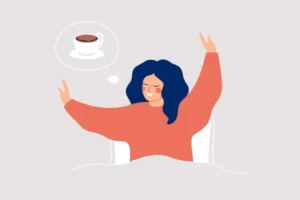
Caffeine is probably the most broadly consumed stimulant on the planet. Many college students and professionals depend on espresso, vitality drinks, or soda to remain alert throughout lengthy days or late nights. Caffeine works by blocking adenosine receptors within the mind. Adenosine is a chemical that builds up throughout wakefulness and creates the feeling of sleep strain (Roehrs & Roth, 2008).
By quickly blocking adenosine, caffeine reduces emotions of fatigue and will increase alertness. Nevertheless, this impact is momentary and doesn’t change the organic want for sleep.
Why Sleep Is Basically Completely different
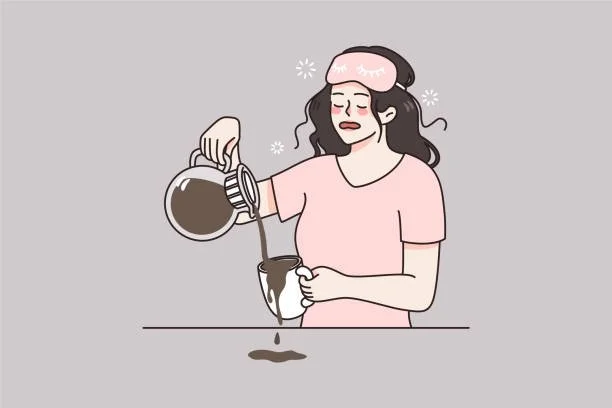
Sleep helps cognitive processes that caffeine can not replicate. Throughout sleep, the mind consolidates reminiscences, clears metabolic waste, and restores neural connections obligatory for studying and decision-making (Walker, 2017).
When sleep is restricted, consideration, response time, and problem-solving means decline considerably. Research present that people who find themselves sleep disadvantaged typically underestimate how impaired they’re, even when their efficiency objectively worsens (Van Dongen et al., 2003).
The Limits of Stimulants
Though caffeine can quickly enhance alertness, it can not totally compensate for sleep deprivation. In managed laboratory research, people who consumed caffeine whereas sleep disadvantaged nonetheless confirmed lowered cognitive efficiency in comparison with well-rested members (Killgore et al., 2008).
Moreover, caffeine has a half-life of about 5 to seven hours, which means a late afternoon cup of espresso can nonetheless have an effect on sleep high quality later that evening. This creates a cycle through which poor sleep results in extra caffeine consumption the next day.
The Sleep–Caffeine Cycle
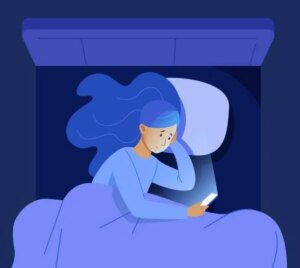
When somebody persistently depends on caffeine to beat fatigue, they might unintentionally worsen their sleep patterns. Poor sleep results in larger caffeine consumption, which then delays sleep onset and reduces sleep high quality.
Over time, this cycle can lead to persistent sleep debt and lowered daytime efficiency.

A Higher Technique for Focus
The simplest solution to keep sustained consideration and cognitive efficiency is satisfactory sleep mixed with average caffeine use earlier within the day. Sleep offers the organic basis for focus, whereas caffeine can function a short lived complement relatively than a alternative.
Finally, no quantity of caffeine can replicate the restorative results of a full evening of sleep.
References
Killgore, W. D. S., Kamimori, G. H., & Balkin, T. J. (2008). Caffeine improves response time however not working reminiscence throughout sleep deprivation. Journal of Sleep Analysis, 17(4), 465–470.
Roehrs, T., & Roth, T. (2008). Caffeine: Sleep and daytime sleepiness. Sleep Drugs Opinions, 12(2), 153–162.
Van Dongen, H. P. A., Maislin, G., Mullington, J., & Dinges, D. (2003). The cumulative value of further wakefulness. Sleep, 26(2), 117–126.
Walker, M. (2017). Why we sleep: Unlocking the ability of sleep and desires. Scribner.