Cease Water in Your Hose or Masks for Good – Sleeplay
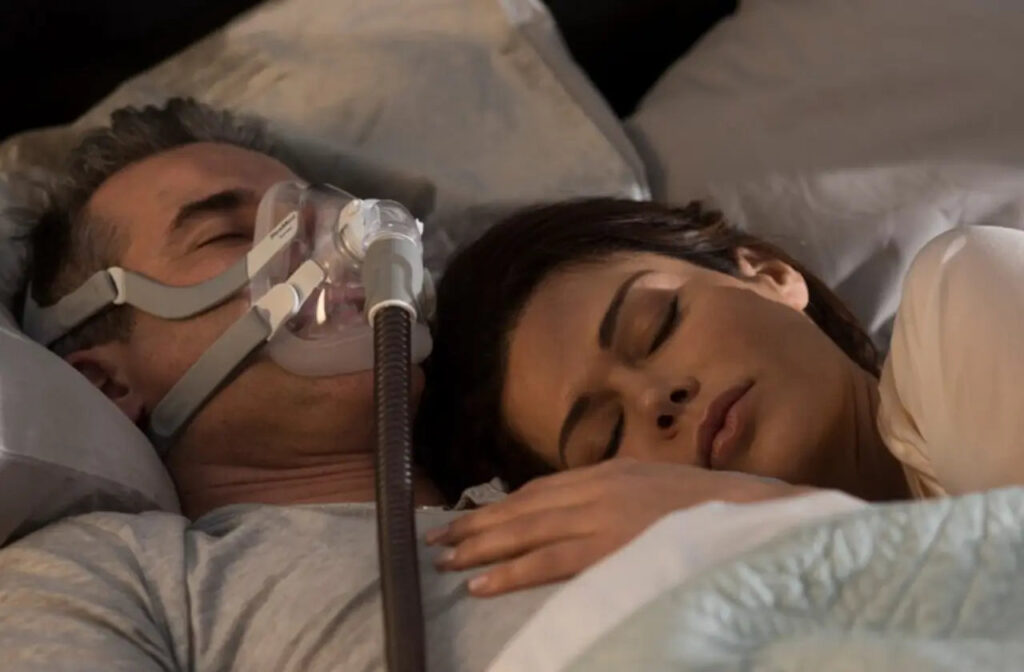
Waking as much as a gurgling noise or water splashing in your face is the worst method to begin the morning.
Key Takeaways: The right way to Repair It Quick
-
It’s condensation, not a leak. Rainout occurs when heat, humid air out of your machine hits the chilly plastic of your hose and turns again into water droplets.
-
Heat up the hose first. Probably the most dependable repair is utilizing heated tubing to maintain the air temperature constant all the way in which to your masks.
-
Decrease humidity in small steps. If the air is holding an excessive amount of moisture to your room temperature, dial again your humidity setting by one degree at a time.
-
Insulate in opposition to the chilly. In case your bed room is chilly and you employ an ordinary hose, add a hose cowl to dam the temperature drop that causes condensation.
-
Test your hose routing. Preserve the machine decrease than your head and keep away from letting the tube dip onto the ground, the place water can pool and block airflow.
Supply: ResMed (heated tubing/rainout steerage)

What CPAP Rainout Is (and Why It Occurs)
Definition: CPAP rainout is condensation that varieties water within the hose or masks as a substitute of maintaining it as breathable vapor. It occurs when heat, humid air out of your machine travels by a colder tube and cools down earlier than reaching you, turning again into liquid. A examine on therapy burden in OSA highlights this as a frequent explanation for awakenings, usually forcing customers to cease remedy simply to wipe down moist gear.
Rainout issues as a result of it bodily interrupts the sleep you are attempting to repair. As an alternative of resting, you find yourself coping with loud popping noises, a humid cushion that slides round, or a sudden splash of water in your nostril. It creates quick discomfort, making it frustratingly laborious to fall again asleep.
It’s rather more widespread when there’s a temperature conflict between your machine and your surroundings. You will notice this most frequently in case you sleep in a cool room, use a high-humidity setting for consolation, or use normal tubing with out insulation. The physics are easy: heat air can not maintain its moisture if it cools down on the way in which to your face.
Frequent indicators you’re having a rainout:
-
Loud gurgling or effervescent noise within the tube
-
Seen water droplets are amassing contained in the masks
-
A sudden splash of water while you roll over
-
Waking up with a moist face or a humid pillow
-
Water is pooling within the low level of the hose on the ground
Fast Repair Desk: What to Change Primarily based on What You’re Seeing
This desk helps you determine precisely what is occurring and select the primary change tonight to cease the disruption.
|
What you discover |
More than likely trigger |
First change tonight |
If it nonetheless occurs |
|
Water within the masks / moist cushion |
Heat humid air cools within the hose → condensation |
Enhance tube temperature (in case your machine helps it) |
Decrease the humidity one step and re-check the following night time |
|
Gurgling/effervescent within the hose |
Water is pooling in a low dip |
Drain the hose and reroute it utilizing a hose elevate or holder so it doesn’t sag |
Add a hose cowl to gradual warmth loss in a cool room |
|
Water is amassing within the hose |
Hose is cooling too quick in a single day |
Use heated tubing just like the ClimateLineAir 11 or ClimateLineAir 10 |
Add a hose cowl and maintain the hose from touching chilly surfaces |
|
The room is chilly at night time |
An even bigger temperature drop alongside the tubing |
Preserve the hose hotter (below the blanket or away from chilly airflow) |
Barely increase the room temperature or change to heated tubing (see AirSense 11 PDF or AirSense 10 PDF) |
|
Air feels too moist / heavy |
Humidity is excessive to your room situations |
Decrease humidity one step |
Elevate the tube temperature as a substitute of decreasing the humidity additional |
Why Rainout Occurs (Condensation within the Hose)
Your CPAP humidifier provides moisture to the airflow to forestall dryness. This implies the air leaving your machine is far hotter and wetter than the air in your bed room.
Issues begin when that heat air enters the hose. In a cool bed room or when the tubing is mendacity on high of the covers, the plastic hose cools quickly.
Because the air travels by this chilly tube, it loses its warmth. When humid air cools down, it loses its capability to carry moisture. The vapor condenses on the inside partitions and turns again into liquid water droplets.
Lastly, the continual airflow pushes these droplets alongside the tube. They ultimately gather in low spots to create that annoying gurgling sound or get pushed all the way in which to your masks, leading to a splash in your face.
Step-by-Step Fixes for Rainout
Begin by maintaining the hose heat, then fine-tune your humidity settings. This order helps you remedy the issue with out drying out your nostril and throat.
-
Affirm heated tubing is on (if accessible): Ensure that your heated tubing is plugged in accurately and enabled in your machine’s consolation settings. It is best to discover fewer water droplets and considerably much less gurgling inside 1 – 2 nights.
-
Enhance the tube temperature first: Elevate your tube temperature setting in small increments earlier than you modify the humidity degree. The hose will really feel barely hotter to the contact, stopping the air inside from cooling down sufficient to condense.
-
Decrease humidity one step provided that moisture continues: If the air feels heavy or rainout persists, scale back your humidity setting by only one degree. This delivers much less “moist” airflow to the tube with out inflicting you to get up with a dry mouth.
-
Add insulation if the room is cool: Wrap an ordinary hose in a hose cowl or tuck the tubing below your blanket to defend it from the chilly bed room air. This eliminates chilly spots, leading to fewer nights the place rainout returns unexpectedly.
-
Repair hose routing to take away low dips: Route your tubing so it flows downhill or stays degree, guaranteeing there aren’t any sagging loops the place water can pool. The annoying gurgling noise often stops instantly as soon as the water has nowhere to gather.
-
Regulate the room surroundings if wanted: Preserve your tools away from direct drafts like followers or home windows, or strive barely elevating the bed room temperature. You will see that that rainout turns into a lot much less frequent, permitting you to keep up larger humidity settings comfortably.
Frequent Errors (and why rainout retains coming again)
Rainout often retains coming again while you change the humidity with out addressing how chilly the hose will get.
-
Turning the humidity up too excessive in a chilly room. This creates a larger temperature distinction that immediately turns moisture into droplets. Elevate your tube temperature or change to heated tubing earlier than you improve the humidity degree.
-
Reducing the humidity an excessive amount of to “remedy” rainout. This causes dryness to return, prompting you to lift the humidity again up, and the cycle repeats. Make small adjustments in humidity and depend on insulation or temperature controls to cease the water.
-
Leaving the hose uncovered to chilly air from followers or home windows. The tubing cools down a lot quicker in a draft, inflicting condensation to type even at reasonable humidity settings. Transfer the hose away from chilly airflow or add a hose cowl to defend it.
-
Letting the hose sag and lure water in a low dip. Gravity traps water in low spots, creating loud gurgling noises earlier than the air pushes it into your masks. Reroute the hose to take away sagging loops or use a hose elevate to maintain the road suspended.
-
Ignoring leftover water after cleansing. Beginning the night time with moisture already contained in the hose provides condensation a head begin. Dangle your tubing up early sufficient to let it dry fully earlier than bedtime.
-
Altering a number of settings without delay. This makes it unimaginable to know which repair really labored and sometimes results in irritating over-corrections. Regulate one variable at a time to trace which answer solves the issue.
Sensible Optimization (consolation, setup, upkeep)
A secure setup often comes right down to combining reasonable humidity with a heat hose, all adjusted to match your room’s particular temperature.
1. Consolation Steadiness (humidity vs dryness)
There’s all the time a tradeoff you must handle. An excessive amount of humidity, mixed with a cool hose, results in condensation, whereas too little humidity leaves you waking up with a sore, dry throat. The golden rule right here is to tweak just one setting at a time, making small steps so yow will discover the steadiness with out swinging from one excessive to the opposite.
2. Steady Setup Defaults (easy targets)
Whereas there isn’t any single “good” quantity for everybody, these defaults work properly for most individuals making an attempt to cease rainout:
-
Heated tubing turned on (in case your machine has it) to keep up air temperature.
-
Tube temperature is adjusted instantly if water droplets seem.
-
Humidity is about to the bottom degree that also prevents dryness signs.
-
Hose routed rigorously to keep away from low dips the place water can pool.
-
Gear positioned away from direct chilly airflow, like followers or AC vents.
3. Upkeep and Nightly Habits
Good habits maintain the system operating easily. At all times let your tubing dry fully after washing so you do not begin the night time with moisture already inside. Empty your water chamber within the morning to keep away from stagnant water, and verify for masks leaks that could be tricking you into pushing your humidity settings larger than essential.
FAQ & Subsequent Step
What’s CPAP rainout?
CPAP rainout is condensation that varieties when heat, humid air out of your machine cools down contained in the hose or masks. This temperature drop turns moisture again into liquid water droplets that may pool within the tube or splash onto your face, inflicting discomfort and wake-ups.
Why do I get water in my CPAP hose?
Water collects in your hose as a result of the air touring by it’s hotter than the plastic tubing itself. When the humid airflow hits the chilly partitions of the hose, particularly in a cool bed room, it loses warmth quickly and condenses into water droplets as a substitute of staying as vapor.
Ought to I modify the tube temperature or humidity first?
At all times improve your tube temperature first. Elevating the tube temperature retains the air heat sufficient to carry moisture all the way in which to your masks. In the event you decrease the humidity first, you danger drying out your nostril and throat with out really fixing the condensation downside.
Does heated tubing forestall rainout?
Sure, heated tubing is the best device for stopping rainout as a result of it maintains a constant air temperature from the machine to the masks. Maintaining the hose heat, it prevents the cooling course of that causes condensation, permitting you to make use of larger humidity settings comfortably.
Can I forestall rainout with out shopping for something?
Sure, you’ll be able to usually scale back rainout by tucking your hose below your blanket to maintain it heat or by decreasing your machine to the ground so water drains again into the humidifier. You may also strive barely warming up your bed room or transferring the tools away from chilly drafts, like followers or home windows.
What ought to I do if there’s already water within the hose?
Disconnect the hose out of your masks and machine instantly, then maintain it excessive as much as let gravity drain the water out. Reconnect it to your machine and run the air for a couple of minutes to dry out any remaining moisture earlier than going again to sleep.
Is CPAP rainout harmful?
Rainout is usually not harmful, however it’s disruptive and uncomfortable. The principle dangers are poor sleep high quality attributable to wake-ups and potential pores and skin irritation from a humid masks cushion. Nevertheless, if water enters your airway, it will probably trigger coughing or choking sensations that interrupt remedy.
Why is my CPAP making a gurgling noise?
A gurgling or effervescent noise means water has pooled in a low spot of your tubing, blocking the airflow like water in a straw. This often occurs when the hose sags under the extent of the machine or masks. Straightening the hose or draining the water will cease the sound instantly.
Subsequent Step: Your Plan for Tonight
If rainout has been waking you up, don’t simply hope it goes away. Tonight, begin by rising your tube temperature or turning in your heated tubing. In the event you do not need heated tubing, wrap your hose in a canopy or tuck it below your sheets. Solely decrease your humidity if the temperature repair would not work.
Contact a clinician or DME if rainout persists regardless of changes, resulting in ongoing wake-ups, discomfort, pores and skin irritation, or challenges balancing humidification settings. The AASM medical apply guideline emphasizes ample follow-up and troubleshooting for PAP unintended effects to make sure efficacy and adherence, together with points like these from humidification.
References

Iara Rosemffet, CPAP Skilled
21 Jan 2026•10 min learn