The Hidden Type Most Docs Miss
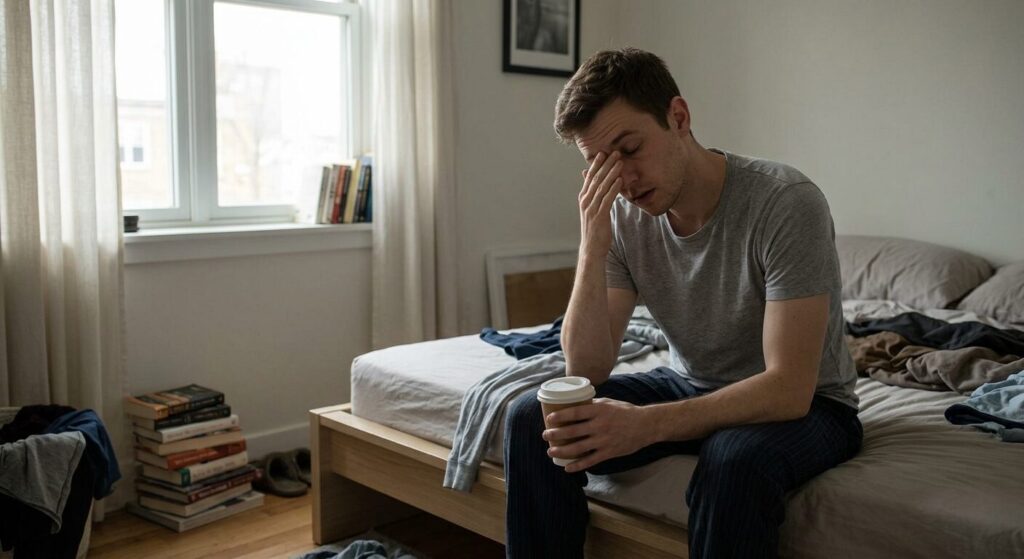
Right here’s a situation that performs out in major care places of work on daily basis. A affected person walks in describing exhaustion that doesn’t reply to sleep, mind fog, temper modifications, and the sense that one thing is essentially improper with their nights. The physician asks in the event that they snore. The affected person says no — their accomplice has confirmed they’re a quiet sleeper. The physician mentally crosses sleep apnea off the record and strikes on to research melancholy, nervousness, thyroid, or continual fatigue.
It is a severe diagnostic blind spot. Sleep apnea with out loud night breathing is actual, widespread, and disproportionately impacts girls, slim adults, and folks with particular anatomical options. By some estimates, as much as 30 p.c of obstructive sleep apnea instances contain minimal or no loud night breathing. These sufferers spend years — generally many years — chasing the improper diagnoses as a result of essentially the most well-known symptom of their precise situation isn’t current.
This text is for individuals who suspect their sleep is being disrupted by one thing they will’t establish. When you wake unrefreshed regardless of sufficient hours, in case you expertise daytime sleepiness, in case you really feel like your sleep is damaged in methods no one is taking critically — silent sleep apnea deserves consideration.
What Sleep Apnea Truly Is
Sleep apnea is a situation the place respiration repeatedly stops or turns into severely shallow throughout sleep. The 2 principal types are obstructive sleep apnea (OSA), the place the airway bodily narrows or collapses, and central sleep apnea (CSA), the place the mind quickly fails to ship the respiration sign. Combined types exist too. OSA is by far the most typical.
Throughout an apnea occasion, oxygen ranges drop and carbon dioxide builds up. This triggers the mind to briefly arouse — not essentially to full consciousness, however sufficient to restart respiration. The arousal lasts just a few seconds, usually with out leaving any acutely aware reminiscence. However the affect on sleep is extreme: every occasion pulls the mind out of deep sleep and right into a lighter stage. Extreme apnea victims can expertise a whole lot of those occasions per evening with out remembering any of them.
The cumulative impact is a sleep that appears regular in period — you spent eight hours in mattress — however is fragmented on the architectural degree in ways in which forestall correct restoration. Deep sleep is shrunk. REM is decreased. Autonomic restoration is impaired. The physique by no means totally will get to do its in a single day restore work. Over months and years, this produces the cluster of signs that convey individuals to their medical doctors searching for explanations.
Why You Can Have Sleep Apnea With out Loud night breathing

Loud night breathing is brought on by airflow vibrating tender tissues within the higher airway throughout partial obstruction. Sleep apnea entails extra full or repeated airway closure. The 2 are associated however not similar — you’ll be able to have substantial airway compromise with out producing the type of vibration that creates audible loud night breathing.
A number of eventualities produce sleep apnea with minimal or no loud night breathing:
Anatomical variations. Some individuals have airways that collapse somewhat than vibrate. Tongues fall again, tender palates impede, or jaw place narrows the airway in ways in which produce silence somewhat than sound throughout obstruction. That is notably widespread in slim people and ladies.
Higher airway resistance syndrome (UARS). A situation the place the airway is partially restricted however not totally obstructed. Sleepers don’t produce loud loud night breathing however do expertise delicate arousals, elevated respiratory effort, and fragmented sleep. UARS is a serious explanation for “silent” sleep apnea signs.
Central sleep apnea. As a result of the problem is the mind failing to ship a respiration sign somewhat than airway obstruction, central apnea sometimes produces no loud night breathing. It’s much less widespread than obstructive apnea however usually undiagnosed as a result of the silent presentation doesn’t immediate screening.
Aspect sleeping. Some individuals solely expertise apnea occasions when on their again, and sleep totally on their sides. Their companions report no loud night breathing (as a result of aspect sleeping prevents it), however the occasions nonetheless happen in the course of the restricted time they’re supine.
Sleep stage-specific apnea. Some apnea happens predominantly in REM sleep, when muscle tone is lowest. The occasions could also be extreme however occur throughout sleep intervals that don’t produce typical loud night breathing patterns.
Who’s Most at Threat for Silent Sleep Apnea
The traditional picture of a sleep apnea affected person — obese, middle-aged, male, loud snorer — is incomplete. Silent or non-classic sleep apnea disproportionately impacts:
Girls. Girls are dramatically underdiagnosed for sleep apnea. They’re much less more likely to snore loudly, extra more likely to current with insomnia and fatigue somewhat than traditional apnea signs, and ceaselessly misdiagnosed with melancholy, nervousness, or perimenopause when their precise drawback is sleep-disordered respiration.
Slim people. Apnea is related to weight problems, however physique weight is just one danger issue. Anatomical options like a small jaw, slender airway, giant tongue, or dental crowding can produce important apnea in individuals with regular BMI.
Postmenopausal girls. After menopause, the danger of sleep apnea in girls rises to method that of males, however the signs usually look totally different from the male presentation, resulting in continued underdiagnosis.
Individuals with hypothyroidism. Hypothyroid tissue swelling within the higher airway will increase apnea danger considerably — and plenty of of those sufferers are feminine and slim, falling outdoors the standard screening profile.
Individuals with continual sinus or allergy points. Continual nasal congestion will increase the unfavorable strain required to breathe by means of the airway, which might set off higher airway collapse throughout sleep — usually with out traditional loud night breathing.
Individuals with crowded dental anatomy. A small jaw, retruded chin, or dental crowding can slender the airway in ways in which produce apnea no matter physique weight.
Signs of Silent Sleep Apnea
With out the loud loud night breathing as a flag, silent apnea presents by means of a constellation of signs that may simply be attributed to different circumstances:
-
Waking unrefreshed regardless of sufficient sleep period — the most typical single symptom
-
Daytime sleepiness or extreme fatigue, notably within the afternoon
-
Morning complications — brought on by nighttime carbon dioxide buildup
-
Mind fog and issue concentrating all through the day
-
Temper modifications — irritability, nervousness, low temper that don’t reply to straightforward therapy
-
Frequent evening waking, usually with out apparent trigger
-
Waking with dry mouth or sore throat (from mouth respiration throughout obstructive occasions)
-
Have to urinate a number of instances at evening (apnea-induced cardiac modifications enhance nighttime urine manufacturing)
-
Insomnia — paradoxically, many silent apnea victims current with issue falling asleep or staying asleep somewhat than extreme sleepiness
-
Tooth grinding (bruxism) — strongly related to sleep-disordered respiration
-
Acid reflux disorder at evening, usually with out typical heartburn
-
Elevated blood strain that’s tough to regulate with medicine
The Biology: Why Silent Apnea Causes So A lot Harm
Even with out loud night breathing, the underlying mechanisms of sleep apnea trigger measurable physiological hurt:
Repeated oxygen desaturation. Every apnea occasion drops blood oxygen ranges, generally considerably. The physique responds with sympathetic nervous system activation, cortisol launch, and inflammatory signalling. Over years, this contributes to heart problems, metabolic dysfunction, and cognitive decline.
Sleep structure fragmentation. Every arousal occasion — even these too temporary to recollect — pulls the mind out of deep sleep. Extreme apnea victims might spend nearly no time in restorative N3 sleep regardless of hours in mattress.
Autonomic dysregulation. Repeated nocturnal sympathetic surges from apnea occasions create continual autonomic imbalance, with knock-on results on blood strain, coronary heart charge variability, and stress resilience.
Inflammatory cascade. The intermittent hypoxia (low oxygen) of sleep apnea triggers systemic irritation that contributes to insulin resistance, atherosclerosis, and elevated illness danger throughout a number of programs.
If you want to see how we’d give you the option that will help you with this deeper, schedule a free seek the advice of right here.
What the Analysis Reveals
Underdiagnosis in girls: Research estimate that 90 p.c of ladies with moderate-to-severe sleep apnea stay undiagnosed. Feminine sleep apnea presents with insomnia, fatigue, and melancholy extra usually than the traditional male presentation, resulting in misdiagnosis.
Non-snoring shows: Analysis confirms that absence of loud night breathing doesn’t rule out sleep apnea. Higher airway resistance syndrome and apnea variants in slim people ceaselessly current with out important loud night breathing.
Hypothyroidism connection: A number of research doc a powerful affiliation between hypothyroidism and obstructive sleep apnea, with thyroid hormone alternative enhancing apnea severity in lots of sufferers.
Dental and craniofacial options: Analysis more and more recognises that craniofacial construction — jaw dimension, tongue dimension, palate form, dental crowding — is a serious danger issue for sleep apnea impartial of physique weight.
How Silent Sleep Apnea Is Recognized

In-Lab Polysomnography
The gold normal. An in a single day examine in a sleep laboratory measures mind waves (EEG), respiration patterns, oxygen ranges, coronary heart charge, and motion. It detects apnea occasions of every type and produces an Apnea-Hypopnea Index (AHI) that quantifies severity. When you suspect sleep apnea however don’t snore, ask particularly for in-lab testing somewhat than residence testing — residence assessments can miss delicate occasions and UARS.
Dwelling Sleep Apnea Testing (HSAT)
Extra accessible and cheaper than in-lab testing. Satisfactory for confirming moderate-to-severe obstructive sleep apnea however much less delicate for gentle apnea, UARS, and central apnea. If a house check comes again unfavorable however signs persist, in-lab testing ought to comply with.
Specialty Analysis
If normal testing is unclear, an analysis by an ENT or sleep drugs specialist can embody detailed airway examination, drug-induced sleep endoscopy (DISE), or specialised testing for higher airway resistance. Dental and orthodontic analysis could also be related if craniofacial construction is suspected as a contributor.
Therapy Approaches

CPAP and Associated Therapies
Steady constructive airway strain (CPAP) is the best therapy for moderate-to-severe obstructive sleep apnea. For sufferers who can’t tolerate CPAP, options embody BiPAP, oral home equipment (for mild-to-moderate instances), positional remedy (for position-dependent apnea), and surgical choices for particular anatomical points.
Deal with Contributing Elements
-
Deal with hypothyroidism if current — usually improves apnea severity
-
Handle continual nasal congestion with applicable therapy of allergy symptoms, sinusitis, or structural points
-
Keep away from alcohol, notably inside 3 hours of bedtime — it relaxes airway muscle groups and worsens apnea
-
Think about weight administration if relevant, although apnea just isn’t completely a weight difficulty
-
Deal with dental and craniofacial elements — myofunctional remedy, orthodontic intervention, or oral home equipment
Examine Co-existing Points
Sleep apnea not often exists in isolation. Widespread co-existing points that compound the sleep affect embody thyroid dysfunction, intestine infections driving irritation, nutrient deficiencies (notably iron, which impacts respiration regulation), and circadian disruption. Complete sleep analysis ought to embody these elements, not simply the apnea itself.
This text is instructional and never medical recommendation. Suspected sleep apnea requires skilled analysis and formal testing. If you want to see how we’d give you the option that will help you with this deeper, schedule a free seek the advice of right here.
When to Search Skilled Assist
Pursue sleep apnea analysis in case you expertise:
-
Persistent unrefreshing sleep regardless of 7+ hours in mattress
-
Extreme daytime sleepiness, notably whereas driving or in passive conditions
-
Morning complications, particularly a number of days per week
-
Frequent nocturnal urination with out different clear trigger
-
Cardiovascular points — hypertension, atrial fibrillation — that don’t reply nicely to therapy
-
Cognitive signs (mind fog, reminiscence points) disproportionate to your age
-
Signs which have been attributed to melancholy, nervousness, or continual fatigue however haven’t totally responded to therapy
Ceaselessly Requested Questions
Can you’ve sleep apnea with out loud night breathing?
Sure. As much as 30 p.c of obstructive sleep apnea instances contain minimal or no loud night breathing. Non-snoring apnea is especially widespread in girls, slim people, these with higher airway resistance syndrome (UARS), and folks with central sleep apnea. The absence of loud night breathing shouldn’t rule out sleep apnea analysis when different signs are current.
What are the indicators of sleep apnea in girls?
Girls with sleep apnea extra usually current with insomnia, fatigue, temper modifications, morning complications, and unrefreshing sleep somewhat than the traditional loud loud night breathing. They’re ceaselessly misdiagnosed with melancholy, nervousness, or perimenopause. Research estimate 90 p.c of ladies with moderate-to-severe sleep apnea stay undiagnosed.
Can skinny individuals have sleep apnea?
Sure. Sleep apnea is related to physique weight, however anatomical elements like small jaw dimension, giant tongue, dental crowding, and slender airway can produce important apnea in individuals with regular BMI. Slim sleep apnea is especially more likely to be missed as a result of it doesn’t match the traditional danger profile.
How do I do know if I’ve silent sleep apnea?
Suggestive indicators embody unrefreshing sleep regardless of sufficient period, morning complications, daytime fatigue, frequent nighttime urination, mind fog, temper modifications that don’t reply to straightforward therapy, and elevated blood strain that’s arduous to regulate. Definitive prognosis requires sleep testing (in-lab polysomnography or residence sleep apnea testing).
Ought to I get examined for sleep apnea if I don’t snore?
When you have different suggestive signs — persistent fatigue, morning complications, unrefreshing sleep — completely. The absence of loud night breathing just isn’t a dependable rule-out. In-lab polysomnography is extra delicate than residence testing for non-classic shows and is advisable when silent apnea is suspected.
When to Work With a Sleep Guide
Silent sleep apnea is likely one of the mostly missed causes of unexplained continual fatigue, mind fog, and unrefreshing sleep. When you’ve spent years investigating different diagnoses with out decision, formal sleep testing — even with out loud night breathing as a flag — is price pursuing. And since apnea not often exists in isolation, complete analysis must also have a look at thyroid, intestine well being, and different programs that have an effect on sleep structure.
Riley Jarvis at The Sleep Guide works with shoppers to uncover the basis organic causes behind continual sleep points and construct personalised protocols that deal with each layer — not simply the signs.
Ebook a session at TheSleepConsultant.com.