Alcohol and Sleep: What Actually Occurs to Your Mind After One Drink

No one calls it a sleep support, however that’s what it’s for thousands and thousands of individuals. A glass of wine to unwind. A beer to take the sting off. A nightcap that can assist you drift off. Alcohol is probably the most extensively used sedative on earth, and it really works — brilliantly — for the primary half of the night time. You are feeling drowsy. You go to sleep quick. You would possibly even sleep deeper initially. After which, someplace round 2 or 3 a.m., every little thing falls aside.
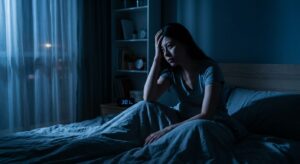
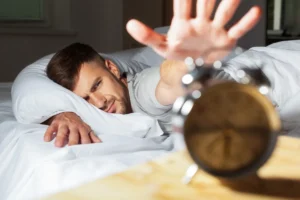
You get up. Coronary heart beating a bit quick. Perhaps sweating. Perhaps anxious for no clear motive. Perhaps simply immediately, frustratingly alert. Going again to sleep takes eternally. And when morning arrives, you are feeling such as you barely rested regardless of logging a full 7 or 8 hours in mattress.
This isn’t a thriller to sleep science. Alcohol’s impact on sleep has been studied extensively, and the mechanisms are effectively understood. However most individuals — together with many who take into account themselves health-conscious — don’t know the way particularly and predictably alcohol destroys sleep high quality. This text explains the precise biology, together with the glutamate rebound that causes 3 a.m. waking, and helps you make knowledgeable choices about consuming and sleep.
What Alcohol Does within the First Half of the Evening
Alcohol is a central nervous system depressant. When it enters the mind, it enhances the impact of GABA — the first inhibitory neurotransmitter — whereas concurrently suppressing glutamate, the first excitatory neurotransmitter. The result’s sedation: lowered neural exercise, muscle leisure, and drowsiness. For this reason alcohol makes you are feeling sleepy and why falling asleep after consuming is straightforward.
Within the first 3–4 hours of sleep, alcohol truly will increase deep sleep (N3) by means of this GABAergic mechanism. EEG research affirm increased delta wave energy within the first half of the night time after alcohol consumption. For this reason many individuals genuinely imagine alcohol helps them sleep — the early portion of the night time does really feel deeper.
However the mind is just not passive. It notices the factitious suppression and begins mounting a counter-response. And when alcohol clears the system, that counter-response hits.
The Glutamate Rebound: Why You Wake Up at 3 a.m. After Consuming

That is the mechanism that explains the three a.m. wake-up after consuming, and it’s one of the vital vital — and least-known — items of sleep science.
Whereas alcohol is energetic, the mind upregulates glutamate receptor sensitivity to compensate for the factitious suppression. When blood alcohol ranges drop (sometimes 4–5 hours after your final drink), the suppression lifts — however the upregulated receptors are nonetheless primed. The result’s a glutamate surge: a spike in excitatory neural exercise that floods the mind with activation alerts.
This glutamate rebound triggers sympathetic nervous system activation: elevated coronary heart fee, elevated blood stress, nervousness, restlessness, and full cortical arousal. You get up immediately, usually with a racing coronary heart or a jolt of tension, and going again to sleep feels practically unattainable as a result of your mind is in a chemically induced state of hyperarousal.
The timing is predictable. Two drinks at 8 p.m. produces a glutamate rebound round 12–1 a.m. Two drinks at 10 p.m. produces it round 2–3 a.m. For this reason individuals who drink later within the night expertise the traditional “3 a.m. wake-up” — the alcohol clearance and glutamate rebound land immediately within the already-vulnerable early-morning sleep window.
What Else Alcohol Destroys within the Second Half

REM Sleep Suppression
Alcohol considerably suppresses REM sleep within the first half of the night time. As alcohol clears, the mind makes an attempt REM rebound — however the fragmentation from the glutamate rebound prevents sustained REM cycles from finishing. The online impact is a big discount in complete REM throughout the night time. Since REM handles emotional processing, reminiscence consolidation, and cognitive restoration, the morning-after feeling isn’t simply tiredness — it’s mind fog, emotional volatility, and impaired studying.
Sleep Fragmentation
Research utilizing polysomnography present that the second half of the night time after alcohol consumption is characterised by dramatically extra awakenings, longer wake-after-sleep-onset durations, and lowered sleep effectivity. Individuals usually don’t keep in mind these micro-awakenings, however the harm to sleep structure is measurable and vital. If you want to see how we’d give you the option that can assist you with this deeper, schedule a free seek the advice of right here.
Autonomic Disruption
Alcohol impairs autonomic restoration throughout sleep. HRV (coronary heart fee variability), which ought to rise throughout wholesome sleep because the parasympathetic system dominates, stays suppressed after consuming. Resting coronary heart fee stays elevated. The physique spends the night time in a state of physiological stress relatively than restoration. Wearable sleep trackers persistently present dramatic drops in “restoration rating” on nights involving even reasonable alcohol.
Temperature Dysregulation
Alcohol initially causes vasodilation, which might create a false sense of heat. However because the physique metabolises alcohol, core temperature fluctuates unpredictably. Since deep sleep requires a exact 1–1.5°F drop in core temperature, and since temperature stability is vital for sustaining sleep structure, alcohol-induced temperature swings immediately contribute to nighttime waking and lowered sleep high quality.
How A lot Alcohol Really Impacts Sleep?
The analysis is evident that the results are dose-dependent however start at surprisingly low quantities:
-
One drink: measurable discount in REM sleep and autonomic restoration, although most individuals received’t discover subjectively
-
Two drinks: vital REM suppression, glutamate rebound more likely to trigger noticeable second-half fragmentation, and HRV suppression seen on wearables
-
Three or extra drinks: extreme sleep structure disruption — deep sleep could enhance initially however complete restorative worth of the night time drops dramatically, and the second half turns into primarily dysfunctional
Timing issues as a lot as amount. The nearer to bedtime you drink, the extra the alcohol clearance and glutamate rebound overlap with the lighter sleep phases of the early morning. One drink three hours earlier than mattress impacts sleep lower than one drink one hour earlier than mattress. However even early-evening consuming on an empty abdomen can produce results that persist into the sleep window.
What the Analysis Reveals
Glutamate rebound: Analysis confirms that alcohol withdrawal, even on the micro-level of nightly clearance, triggers glutamate receptor upregulation and a corresponding excitatory surge. This mechanism is documented in each power heavy drinkers and reasonable social drinkers.
REM suppression: Sleep research persistently present alcohol reduces REM within the first half and fragments it within the second half, with internet REM lack of 20–40% relying on dose.
Sleep structure: A scientific evaluate of 27 research discovered that alcohol in any respect doses reduces sleep high quality within the second half of the night time, with increased doses producing larger disruption. Even low doses (1–2 drinks) impair sleep structure in measurable methods.
HRV influence: Wearable research and scientific analysis affirm that alcohol consumption earlier than mattress suppresses in a single day HRV, indicating impaired parasympathetic restoration. The impact is proportional to dose and persists for all the night time.
The Root-Trigger Connection: Why Individuals Drink to Sleep
Many individuals don’t drink as a result of they wish to. They drink as a result of it’s the one factor that appears to assist them go to sleep. The true query is: why is falling asleep so tough with out alcohol?
Frequent root causes embrace nervous system dysregulation (the physique can’t shift from sympathetic to parasympathetic with out the chemical push), low GABA manufacturing from magnesium deficiency or intestine infections, elevated night cortisol from HPA axis dysfunction, low melatonin from serotonin depletion or circadian disruption, and unresolved nervousness driving psychological hyperarousal at bedtime.
In every case, alcohol supplies a shortcut that mimics what the physique needs to be doing naturally. It floods the GABAergic system, suppresses glutamate, and forces a sedation that the nervous system couldn’t obtain by itself. However the shortcut has a price: destroyed sleep high quality, worsened morning operate, and a progressive cycle the place the mind turns into much less able to falling asleep naturally over time.
The best way to Sleep With out the Nightcap

Substitute the GABA Increase
-
Magnesium glycinate (300–400 mg) earlier than mattress — helps GABA receptor operate naturally
-
L-theanine (200 mg) — promotes alpha wave exercise and psychological calm with out sedation
-
Glycine (3g) — lowers core temperature and calms neural excitability
Activate the Vagus Nerve
-
Prolonged exhale respiratory (4 in, 6–8 out) — immediately stimulates the parasympathetic shift that alcohol was masking
-
Chilly water on the face — triggers the dive reflex for speedy parasympathetic activation
Handle Why You Want the Chemical Push
-
For those who can’t go to sleep with out alcohol, examine: is the nervous system caught in overdrive? Is the intestine producing sufficient GABA and serotonin? Are nutrient deficiencies blocking the biochemistry of sleep?
The objective isn’t willpower. It’s constructing a physique that may transition to sleep by itself — which implies figuring out and eradicating no matter is obstructing that transition.
This text is instructional. For those who’re utilizing alcohol usually to sleep, that sample itself is vital scientific info price discussing with an expert.
When to Search Skilled Assist
Search assist if:
-
You’ll be able to’t go to sleep with out alcohol on most nights
-
Decreasing alcohol consumption worsens your insomnia relatively than enhancing it
-
You expertise vital 3 a.m. waking on nights you drink
-
Alcohol use has escalated over time to keep up the identical sleep impact
-
You think a intestine an infection, nutrient deficiency, or nervous system difficulty is making sleep tough
If you want to see how we’d give you the option that can assist you with this deeper, schedule a free seek the advice of right here.
Regularly Requested Questions
Why does alcohol wake me up at 3 a.m.?
Alcohol suppresses the excitatory neurotransmitter glutamate whereas energetic. When it clears your system (4–5 hours after consuming), glutamate receptors — which have been upregulated to compensate — hearth in an excitatory surge known as a glutamate rebound. This triggers sympathetic activation, elevating coronary heart fee and cortisol, and jolts you awake.
Does alcohol have an effect on sleep high quality even when I sleep 8 hours?
Sure. Alcohol fragments the second half of sleep, suppresses REM, impairs autonomic restoration (HRV), and disrupts temperature regulation. Chances are you’ll log 8 hours in mattress however get the restorative equal of 5–6 hours.
Is one glass of wine earlier than mattress okay for sleep?
Even one drink measurably reduces REM sleep and autonomic restoration. Most individuals received’t discover subjectively after one drink, however wearable information reveals the impact. Two or extra drinks produce noticeable second-half fragmentation and morning grogginess.
Why does alcohol make me really feel sleepy however then smash my sleep?
Alcohol enhances GABA (inhibitory) and suppresses glutamate (excitatory), producing robust sedation. However the mind compensates by upregulating glutamate receptors. When alcohol clears, the rebound glutamate surge causes fragmentation, nervousness, and waking.
What can I drink earlier than mattress as a substitute of alcohol to assist me sleep?
Tart cherry juice (incorporates pure melatonin precursors), chamomile tea, or heat water with glycine powder. Extra importantly, supplementing L-theanine (200 mg) and magnesium glycinate (300–400 mg) can present the calming impact individuals search from alcohol with out the sleep structure destruction.
When to Work With a Sleep Advisor
If alcohol has change into your major software for falling asleep, the actual difficulty isn’t the alcohol — it’s no matter is stopping your physique from transitioning to sleep naturally. That barrier is identifiable: a nervous system caught in overdrive, gut-driven neurotransmitter depletion, cortisol that received’t drop, or vitamins which might be lacking. Discovering and fixing it means the nightcap turns into pointless.
Riley Jarvis at The Sleep Advisor works with purchasers to uncover the basis organic causes behind power sleep points and construct personalised protocols that handle each layer — not simply the signs.
E book a session at TheSleepConsultant.com.