Is Doomscrolling Ruining Your Sleep? How Social Media Retains You Awake — REM Reward
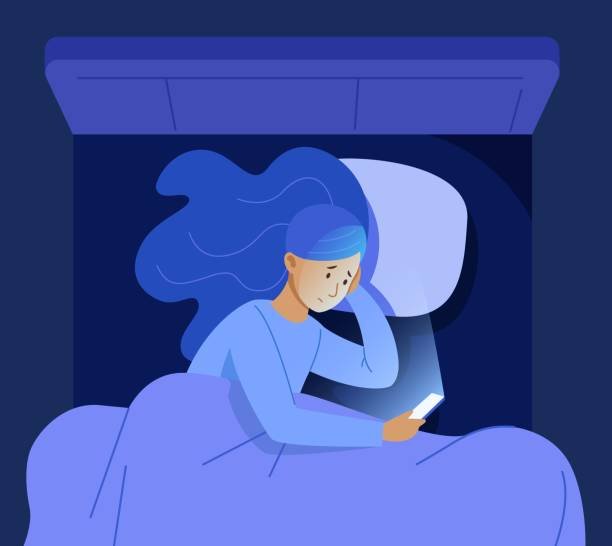
Dopamine and the Reward Loop
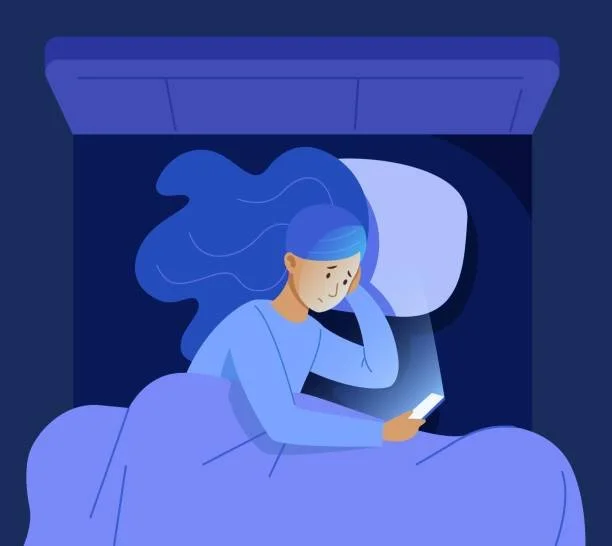
The mind releases dopamine after we encounter new, fascinating, or emotionally stimulating info. Social media feeds ship a continuing stream of novelty—movies, headlines, messages, and pictures—which repeatedly prompts this reward system (Montag et al., 2021).
This neurological suggestions loop can create a cycle much like different types of behavioral habit. The mind anticipates the potential for one thing fascinating showing on the subsequent swipe, which makes stopping really feel troublesome even when the particular person is aware of they need to fall asleep.
Blue Mild and Circadian Disruption
Along with psychological results, smartphone use exposes the eyes to blue mild emitted by screens. Blue mild suppresses melatonin, the hormone that alerts the physique it’s time to sleep (Chang et al., 2015).
When melatonin manufacturing is delayed, the circadian clock shifts later, making it more durable to go to sleep and get up at constant occasions. This impact is especially robust for youngsters and younger adults, whose circadian rhythms already are likely to run later.
Emotional Arousal and Cognitive Activation
Many types of social media content material provoke emotional reactions—pleasure, anxiousness, anger, or curiosity. These emotional responses activate the sympathetic nervous system, which prepares the physique for alertness moderately than relaxation.
Consequently, even when somebody stops scrolling and turns off their telephone, the mind might stay mentally stimulated. This cognitive activation can result in extended sleep latency, that means it takes longer to go to sleep (Scott et al., 2019).